What is a BOQ (bill of quantities)?
A BOQ, or bill of quantities, lists every item of work in a building with its quantity and unit. What it holds, who makes it, and what Vextrus adds.
A QS, the quantity surveyor or estimation engineer, measures a building’s quantities from its drawings and prices them: the takeoff, the measurement sheets, the Rate Analyses and the Priced BOQ the Developer builds and pays against. In Vextrus, the QS is the first daily user: confirming the set’s conventions, verifying the drafted model by exception and issuing the Estimate.
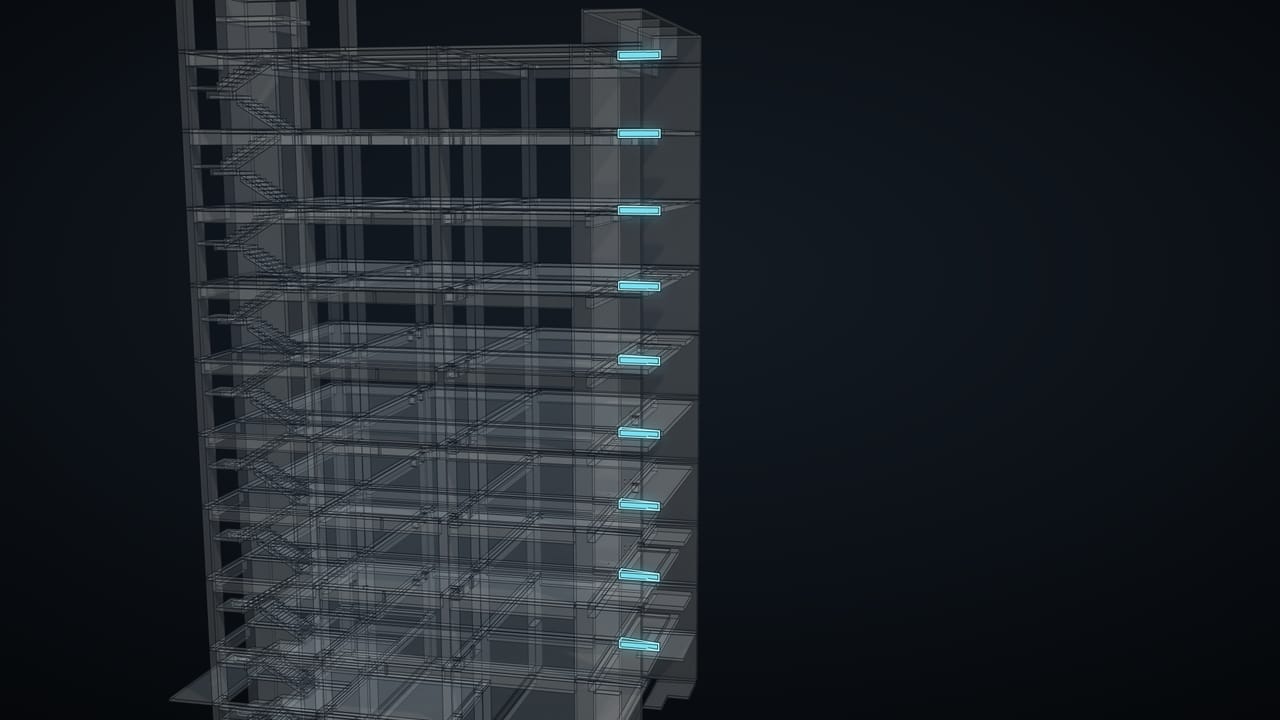
On a Developer’s project the QS turns the drawings into quantities and the quantities into money, and then keeps both true while the building is built. Before work starts, that is the takeoff, the measurement sheets, the Rate Analyses, the Priced BOQ and the Estimate. On site, it is Revisions, running bills, Variations and the materials to buy.
The work has its own vocabulary: the takeoff, the measurement sheet, No. × L × B × H, the deductions, cft, sft and rft, the rate analysis, the PWD schedule, wastage, laps, the RA bill and the variation. Each is a place where a figure can be checked, or questioned. A good QS is the person who can answer for every number, line by line, and show where on the drawing it came from.
A QS does quantity surveying in the order the building is built: account for every sheet of the drawing set, read its notes, levels and grid, measure each Element type in building order on measurement sheets, total the lines into BOQ Items, build each rate from its Resources, price the bill, and add the layers of the Estimate.
Then the work continues. When the consultant re-issues sheets, the QS finds what changed and what it costs. When a contractor claims a running bill, the QS checks the claim against what is built and certifies it. When the plan needs materials, the QS’s quantities say what to buy, by floor and by stage. Three articles go deeper: what a BOQ is, how to prepare one from 2D drawings and Rate Analysis and the PWD Schedule of Rates.
A QS measures and prices the building; the consultants design it, and the other engineers check it and build it. On a Developer’s team, the Structural Engineer answers the structure’s technical questions and signs the bar bending schedule, the Site Engineer builds it and records what is done, and the QS measures, prices and certifies.
The roles meet on the same figures. The QS’s Rebar quantities rest on the bars the Structural Engineer signs; the QS’s running bills rest on the Site Engineer’s record of what is built. That is why a number that cannot be traced is a problem for every role: each has to re-check another’s work by hand.
In Vextrus the QS stops re-measuring every line and starts verifying a drafted model. The QS confirms a few one-click convention cards for the set; the machine drafts every Element with its Measurement Lines; the QS reviews the draft by exception, type by type, on the drawing; then prices the Priced BOQ and issues the Estimate.
Your QS no longer re-measures the whole drawing by hand: they look at the doubtful lines, fix one, and nothing passes without a check. One fix can be offered to every similar Element, as one act the QS can revert. The QS rules once per issue type, not once per Element. Every quantity keeps its measurement sheet, in the form a QS already signs, each line opening its place on the drawing, and every assumption, from laps to rounding, is a visible Rule Set parameter. See Vextrus for the QS and the Takeoff.
The Measurement Line
The figure is this plan’s own arithmetic.
No. In Vextrus the machine proposes, the engine measures and the QS confirms. A Proposal counts toward nothing until the QS confirms it, no Element is confirmed automatically, and the set’s conventions are always confirmed by the QS. Code computes every number, and every figure not read from the drawing names the rule that made it.
In Vextrus the safeguards keep the QS in charge: the QS sees each type’s cross-checks first, spot-measures a few items blind, cannot bulk-accept a type until its checks pass and its exceptions are settled, and reviews in a dedicated mode.
The QS issues the Estimate, with a Signature. Issuing needs zero unresolved exceptions: each is fixed, ruled, sent to the RFI list or recorded in the assumptions-and-gaps report. The Priced BOQ, the Material Schedule, the Market Prices, the Rule Set version and the Live Model’s state are then frozen as the Issued Estimate the MD takes to the board.
A Developer without a QS team can send the drawing set instead: Vextrus’s own QSs run the same Workbench, held to the same safeguards and measured the same way, and a named Vextrus QS signs the Issued Estimate, which the Developer’s MD or engineer accepts. See the done-for-you service.
See every article on the Learn page, and the terms in the glossary.
Yes, in the sense that matters here. A QS is the quantity surveyor or estimation engineer, at the Developer or working for it, who measures quantities from drawings and prices them. Vextrus uses one word, QS, for both titles, and the QS is the first person who works in Vextrus every day.
Yes, where it counts. For each type of Element the QS spot-measures a few random items by hand, blind, before accepting the type, and a difference beyond the type's tolerance holds the type. The QS can also trace any Element by hand on any sheet; it counts, marked as traced by hand.
The QS uploads the new issue whole and Vextrus lays each new sheet over the old, lights every changed Element in 3D and splits its cost into quantity effect and price effect. The QS confirms every moved pair; no money carries across a Revision until then, and "Revision pending" shows on every module.
The QS issues the Estimate with a Signature, which freezes it as an Issued Estimate with an issue number and date, and certifies Running Account bills with the MD. Every Signature in Vextrus is a person's act, never automatic, and a second Signature applies where the Developer's own policy asks for one.
A BOQ, or bill of quantities, lists every item of work in a building with its quantity and unit. What it holds, who makes it, and what Vextrus adds.
How a QS prepares a BOQ from 2D drawings: measure each Element as No. × L × B × H, total the lines into BOQ Items, price each item. Then the Vextrus way.
A building's cost is decided by its own quantities and the prices paid for them. What drives it, and why a figure per sft is an average, not your building.
Drawn once. Every number traced.